SCHNEIDER ELECTRIC LC1D65A
SCHNEIDER ELECTRIC LC1D65A € 27,95 excl. btw · € 33,82 incl. btw
Terug naar producten
SCHNEIDER ELECTRIC CAD32BD
SCHNEIDER ELECTRIC CAD32BD € 9,95 excl. btw · € 12,04 incl. btw

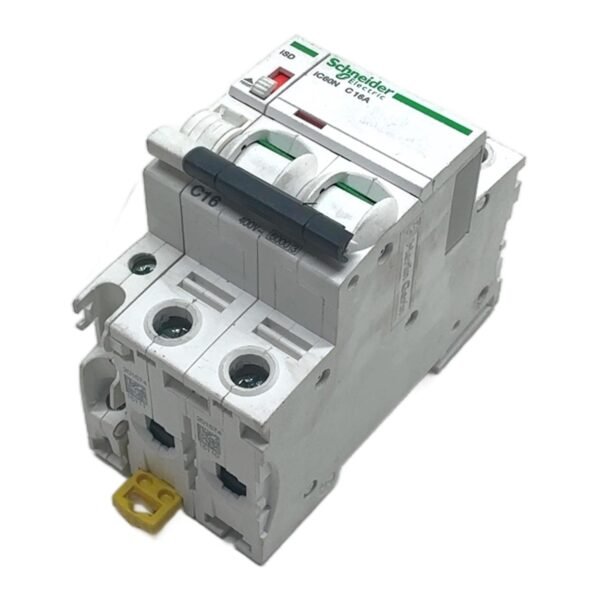
SCHNEIDER ELECTRIC iC60H A9F77216 + iSD A9A26927

SKU: 2604141029

SCHNEIDER ELECTRIC iC60H A9F77216 + iSD A9A26927

€ 36,95 excl. btw · € 44,71 incl. btw

2 op voorraad

2 op voorraad

Levering en verzendinformatie · Retourneren

Twijfel je of dit artikel past? Vraag ons om hulp en vermeld het merk en artikelnummer.

Betaalmethode:

Specificatie

Gewicht2,00 kg
Verpakkingshoeveelheid1 Unit(s)
EenheidUnit(s)
MerkSCHNEIDER ELECTRIC
CategorieControl and Switch Gear
OmschrijvingMiniature Circuit Breaker
MPNiC60H A9F77216 + iSD A9A26927
Andere aanduidingeniC60H A9F77216 + iSD A9A26927, iC60HA9F77216+iSDA9A26927
Artikelnummer fabrikantiC60H A9F77216 + iSD A9A26927

Oudenbosch

Vandaag

Nederland

België 

1-2 dagen
1-2 dagen

Omschrijving

Schneider Electric iC60H C16A Miniature Circuit Breaker with AuxiliaryDescriptionThis is an Acti 9 iC60H miniature circuit breaker from Schneider Electric, complete with a factory-fitted or pre-assembled iSD fault signal contact. This 2-pole device is rated for 16A with a C-type tripping characteristic, providing robust protection against overcurrents and short circuits. The ‘H’ designation indicates a high breaking capacity of 10 kA, making it suitable for industrial and commercial environments where fault currents can be higher. The included iSD contact allows for remote monitoring of fault trips.SpecificationsManufacturer: Schneider ElectricSeries: Acti 9Model (MCB): iC60HPart Number (MCB): A9F77216Model (Auxiliary): iSDPart Number (Auxiliary): A9A26927Rated Current: 16 ANumber of Poles: 2PTripping Curve: CBreaking Capacity: 10 kA at 400V ACRated Voltage: up to 400V AC 50/60 HzLabel InfoSchneider Electric iC60H C16AIEC/EN 60947-5-1 (for auxiliary contact)GB 14048.5ApplicationIdeal for final circuit protection in commercial and industrial electrical distribution boards. Suitable for protecting circuits with lighting, standard socket outlets, and other loads that do not exhibit high inrush currents. The high breaking capacity ensures safety in systems with high prospective fault current levels.Country of OriginMade in India.CO2 ImpactBy purchasing this reused component, you are contributing to a circular economy and have helped avoid approximately 10.0 kg of CO2 emissions compared to a new purchase. This saving is equivalent to the emissions of driving a car for 50 kilometers.AvailabilityThis item is in stock and ready for immediate dispatch. Order now from profideals for expert support and fast delivery.FAQQuestion?What is the difference between the iC60N and iC60H models?Answer:The primary difference is the breaking capacity. The iC60N has a breaking capacity of 6 kA according to IEC 60898-1, while the iC60H model shown here has a higher breaking capacity of 10 kA, making it suitable for installations with higher potential short-circuit currents, typically found in commercial and industrial environments.Question?What is the function of the attached iSD auxiliary contact?Answer:The iSD (Indication Signalisation Defaut) is a fault signal contact. It provides a remote signal to indicate that the circuit breaker has tripped specifically due to a fault, such as an overload or a short circuit. It does not activate when the breaker is manually switched off, allowing for clear differentiation between manual operation and a protective trip.Question?Can this C-curve breaker be used for circuits with large inrush currents, like motors?Answer:A C-curve breaker is designed for general purpose applications, including resistive and inductive loads with low inrush currents (e.g., lighting, sockets). For circuits with high inrush currents, such as motors or transformers, a D-curve or K-curve breaker is typically recommended to prevent nuisance tripping on startup.profideals is not an authorized distributor, reseller or representative of the products featured on this website. All product names, trademarks, brands and logos used on this site are the property of their respective owners.Last Update: Friday, March 13, 2026