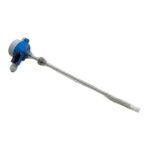

ENDRESS+HAUSER TST187-1A3D

Artikelnummer: 2605041021

ENDRESS+HAUSER TST187-1A3D

 322,50

1 op voorraad

1 op voorraad

Betaalmethode:

Specificatie

Gewicht 9,00 kg
Packing Quantity

1 Unit(s)

Unit of Measure

Unit(s)

Brand

ENDRESS+HAUSER

Category

Sensors

Description

Industrial Temperature Sensor

MPN

TST187-1A3D

Other Notations

TST187-1A3D

,

TST1871A3D

Fabr. Art. Nr.

TST1871A3D

Roosendaal

Vandaag

Nederland

België 

1-2 dagen
1-2 dagen

Omschrijving

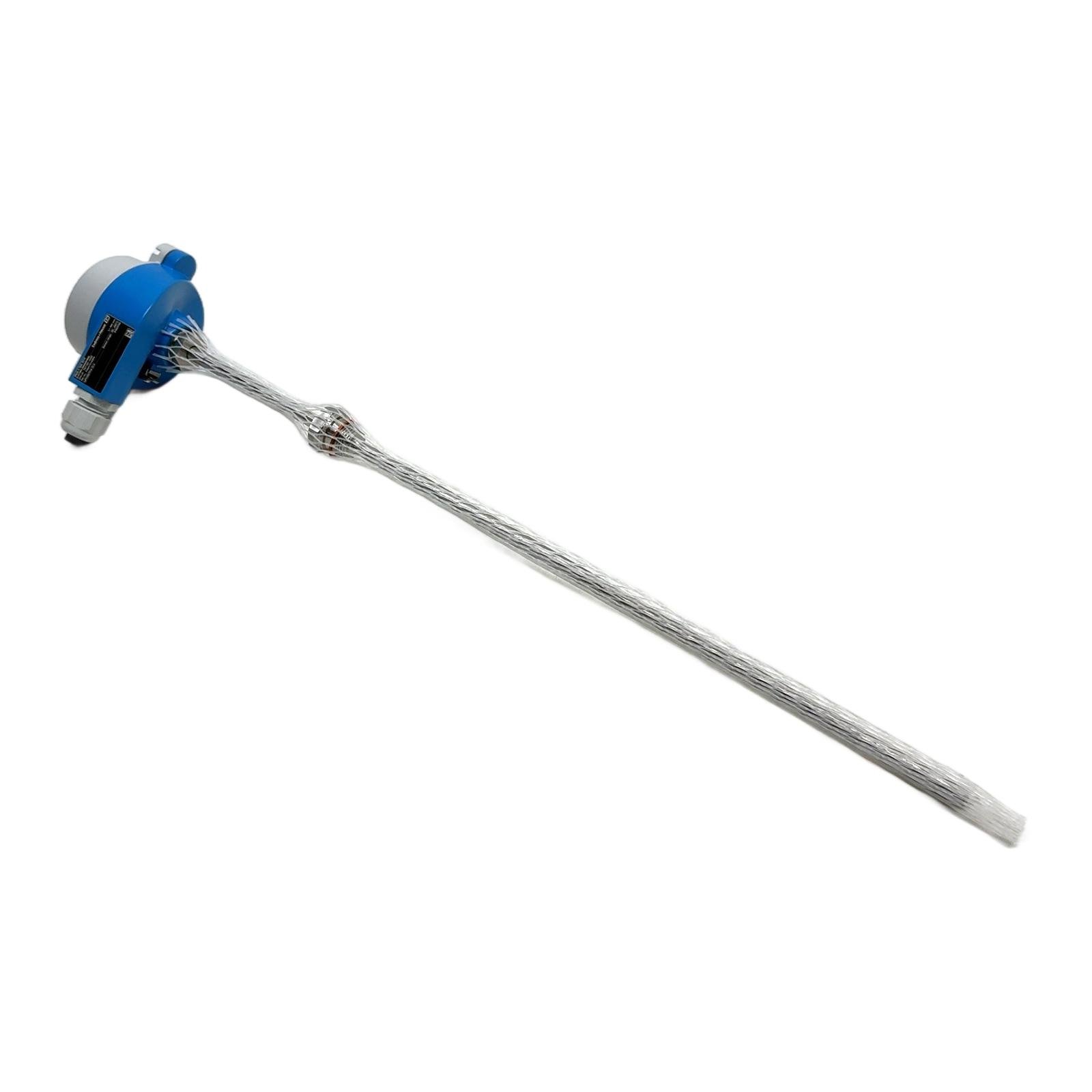
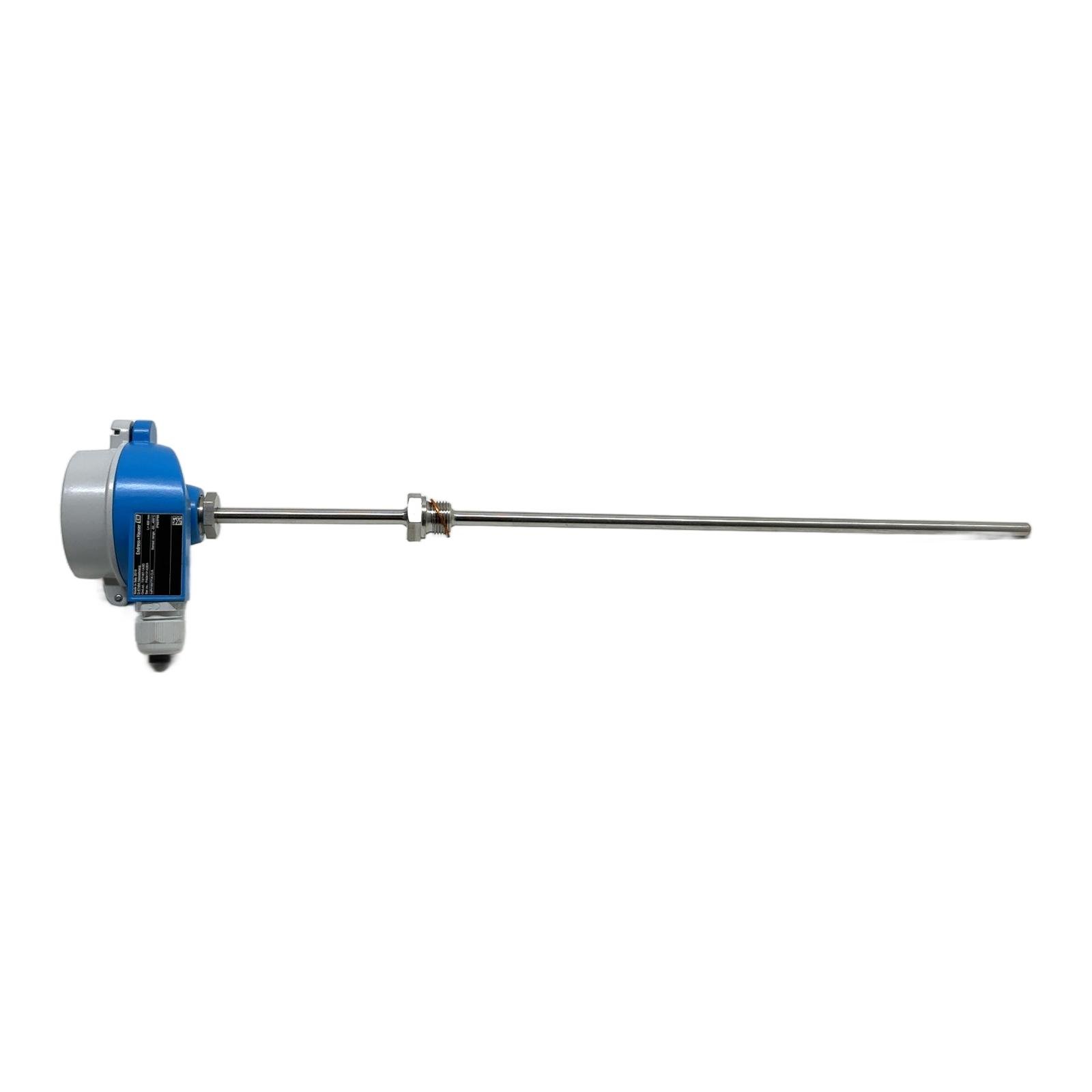
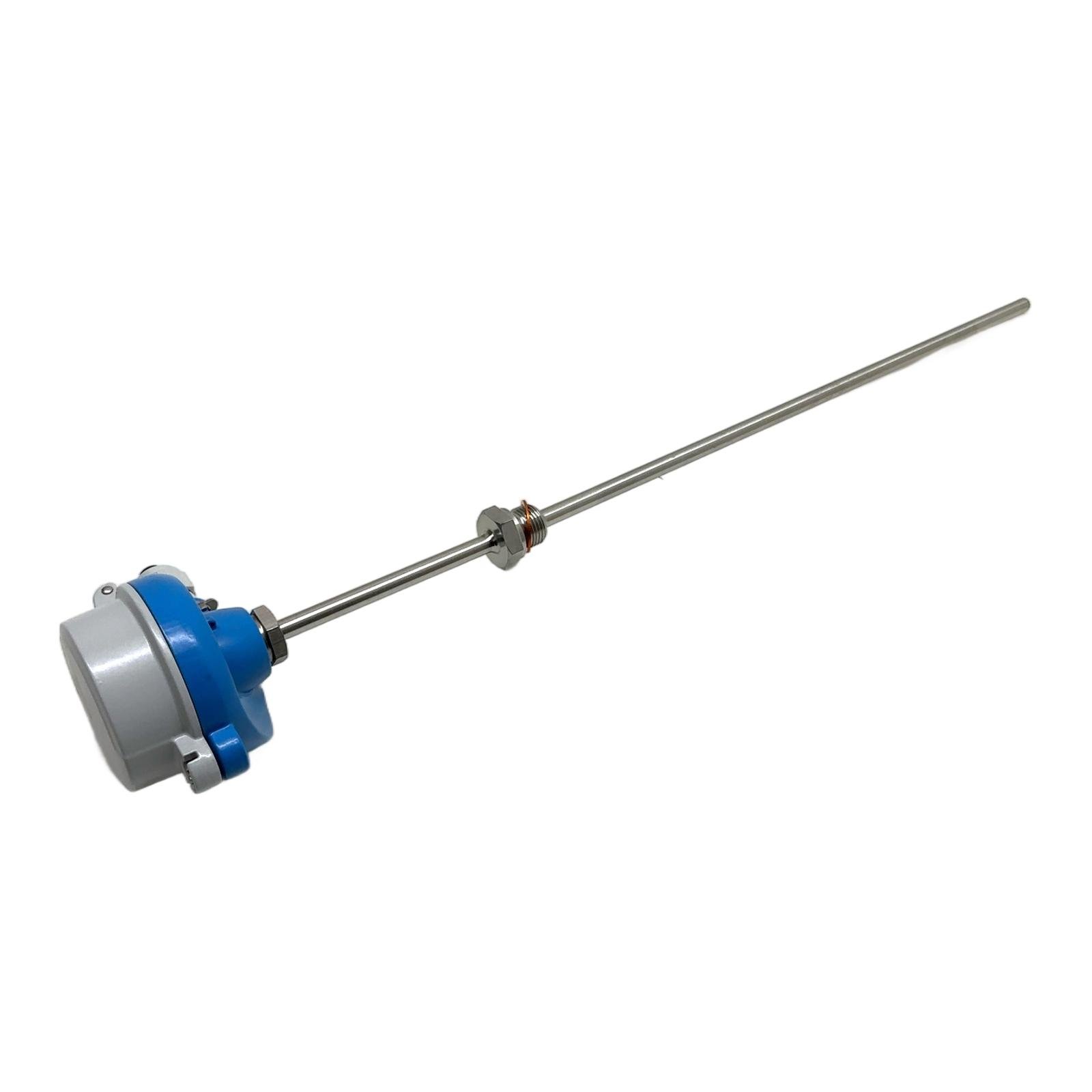
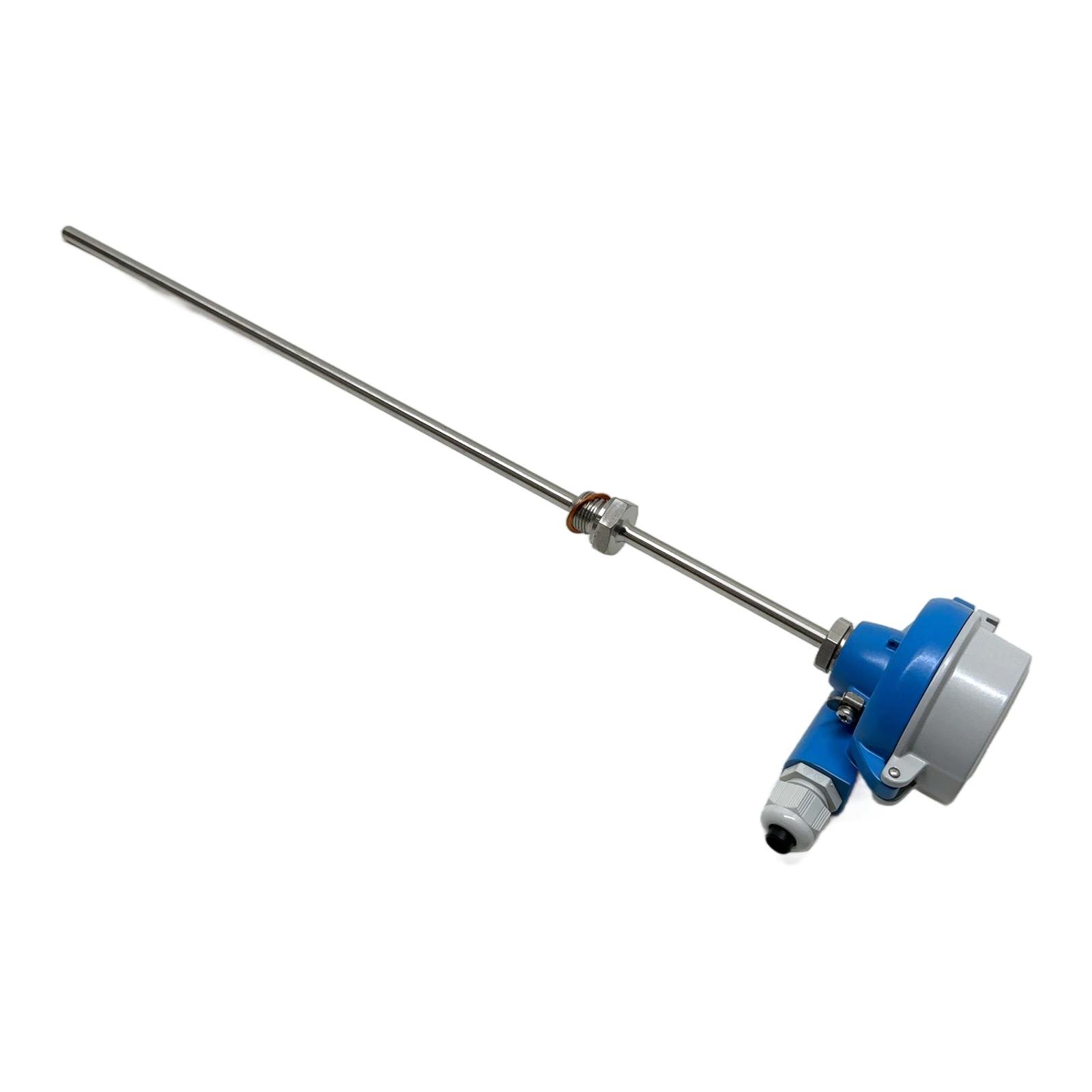
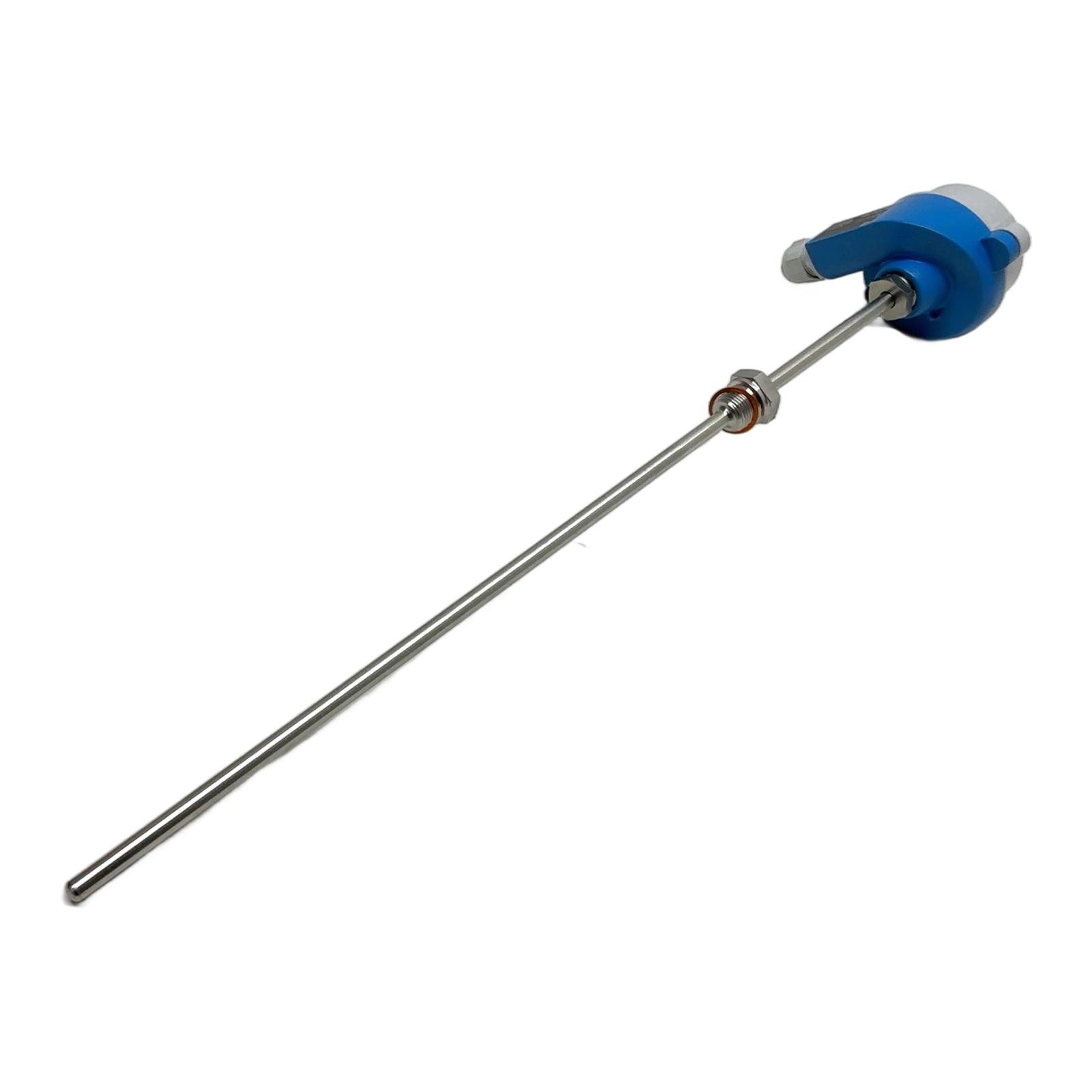
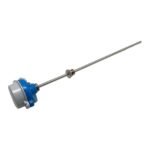
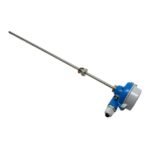
Endress+Hauser Omnigrad T TST187-1A3D Resistance Thermometer Description The Endress+Hauser TST187-1A3D is a high-quality resistance thermometer (RTD) designed for precise and reliable temperature measurement in industrial environments. As part of the Omnigrad T series, this sensor features a Pt100 Class A element for superior accuracy, a robust stainless steel probe with a 400mm insertion length, and a durable connection head rated at IP66/IP68 for protection against harsh conditions. Specifications Manufacturer: Endress+Hauser Model: Omnigrad T Order Code: TST187-1A3D Sensor Type: 1x Pt100, Thin Film (TF), 4-wire configuration Accuracy Class: Class A (acc. to IEC 60751) Probe Length (L): 400 mm Measuring Range: -50 to 400 deg C Protection Rating: IP66/IP68 Label Info Ord.cd.: TST187-1A3D Ser.no.: PA0413142EA 1xPt100/TF/4 CI.A Application This RTD sensor is ideal for a wide range of applications, including temperature monitoring in tanks, vessels, and pipelines within the chemical, food and beverage, and process industries where accurate temperature control is critical. Country of Origin Made in Italy. CO2 Impact By choosing this refurbished component, you are saving approximately 24 kg of CO2. This saving is equivalent to charging a smartphone over 2,800 times. Availability This item is a pre-owned/refurbished product and is available for immediate dispatch. Ready to minimize your machinery downtime. Order now from profideals for expert support and fast delivery. FAQ What is the difference between a 2-wire, 3-wire, and 4-wire Pt100 sensor like this TST187?A 4-wire configuration, as used in this TST187, provides the highest accuracy. It uses two wires to carry the excitation current and two separate wires to measure the voltage drop across the sensor element. This method completely compensates for the resistance of the lead wires, which can otherwise introduce errors, especially with long cable runs. 2-wire is the least accurate, while 3-wire offers a good compromise by assuming lead wire resistances are equal. What does ‘Class A’ accuracy mean for this Pt100 sensor?Class A refers to the tolerance standard defined by IEC 60751. For a Pt100 sensor, Class A specifies a tolerance of +/-(0.15 + 0.002 * |t|) deg C, where ’t’ is the temperature in Celsius. This means it offers higher precision compared to the more common Class B sensors, making it suitable for applications requiring more accurate temperature control and monitoring. Can this TST187 sensor be connected directly to a PLC?Yes, but it requires a compatible PLC analog input module specifically designed for RTDs (Resistance Temperature Detectors). These modules provide the necessary constant current source to excite the Pt100 element and can interpret the resulting voltage change as a temperature reading. Alternatively, you can use an external temperature transmitter that converts the Pt100 resistance signal into a standard 4-20mA or 0-10V analog signal, which can then be read by a standard analog input module on the PLC. profideals is not an authorized distributor, reseller, or representative of the products featured on this website. All product names, trademarks, brands, and logos used on this site are the property of their respective owners. Last Update: Friday, March 13, 2026